
Fuel Your Recovery: Nutrition After Exercise
Discover the science-backed strategies to optimize your body's recovery through proper nutrition. Learn how to replenish energy, repair muscle tissue, and maximize your training results with informed dietary choices after every workout.

Recovery Impact: Why Nutrition Matters
Hours for Muscle Recovery
Optimal nutrition window spans two days post-exercise
Minutes Critical Window
Consume nutrition within 30 minutes after training
Carbs to Protein Ratio
Ideal post-workout macronutrient balance
Performance Improvement
Potential gains from strategic recovery nutrition

The Science Behind Post-Workout Nutrition
When you exercise, your muscles experience microscopic damage and deplete their energy stores. Your body enters a catabolic state, breaking down tissue for fuel. Proper post-workout nutrition shifts your body into an anabolic state, promoting muscle repair and growth while restoring glycogen levels for your next session.
Research demonstrates that consuming carbohydrates and protein within the recovery window accelerates adaptation, reduces soreness, improves strength gains, and enhances endurance development. This isn't just about feeling better—it directly impacts your training results and long-term athletic progress.
- Muscle protein synthesis peaks within 4-6 hours post-exercise with proper nutrition
- Glycogen replenishment requires immediate carbohydrate intake to optimize recovery
- Hydration status directly affects nutrient delivery and waste removal
Essential Recovery Nutrients
Carbohydrates
Replenish depleted muscle glycogen stores and provide immediate energy for your nervous system recovery. Fast-absorbing carbohydrates like white rice, bananas, and sports drinks accelerate glycogen restoration during the critical post-exercise window.
- Target 1-1.2g per kg of body weight
- Consume within 30-60 minutes post-exercise
- Pair with protein for enhanced absorption
Protein
Supply amino acids to repair muscle damage and stimulate muscle protein synthesis. Both animal and plant-based proteins support recovery equally well when consumed in adequate amounts with proper variety for complete amino acid profiles.
- Target 0.3-0.4g per kg of body weight
- Aim for 20-40g in post-workout meal
- Leucine-rich sources activate muscle growth
Hydration & Electrolytes
Restore fluid lost during exercise and replenish electrolytes—sodium, potassium, and magnesium—that regulate nerve function and muscle contractions. Proper hydration enhances nutrient delivery and waste removal from muscle tissue.
- Drink 150% of lost body weight over 4-6 hours
- Include sodium to improve retention
- Magnesium supports muscle relaxation
Antioxidants & Phytonutrients
Combat exercise-induced inflammation and oxidative stress through antioxidant-rich foods. Berries, tart cherry juice, and colorful vegetables contain compounds that support immune function and reduce recovery time between intense sessions.
- Consume variety of colored vegetables
- Tart cherry juice shows recovery benefits
- Polyphenols enhance adaptation signals
Omega-3 Fatty Acids
Reduce exercise-induced inflammation and support cellular repair through omega-3 intake. Fish, walnuts, and flaxseeds provide EPA and DHA, which improve cardiovascular recovery and joint health in athletes of all levels.
- Target 2-3g EPA+DHA weekly minimum
- Balance omega-3 and omega-6 ratios
- Support cardiovascular adaptation
Micronutrients
Vitamins and minerals facilitate energy production, muscle contraction, and immune function. Iron, zinc, vitamin D, and B-vitamins are particularly important for athletes to maintain training capacity and support recovery pathways.
- Iron supports oxygen transport post-exercise
- Vitamin D enhances calcium absorption
- B-vitamins aid energy metabolism
Your 4-Step Recovery Timeline
Immediate (0-30 Minutes)
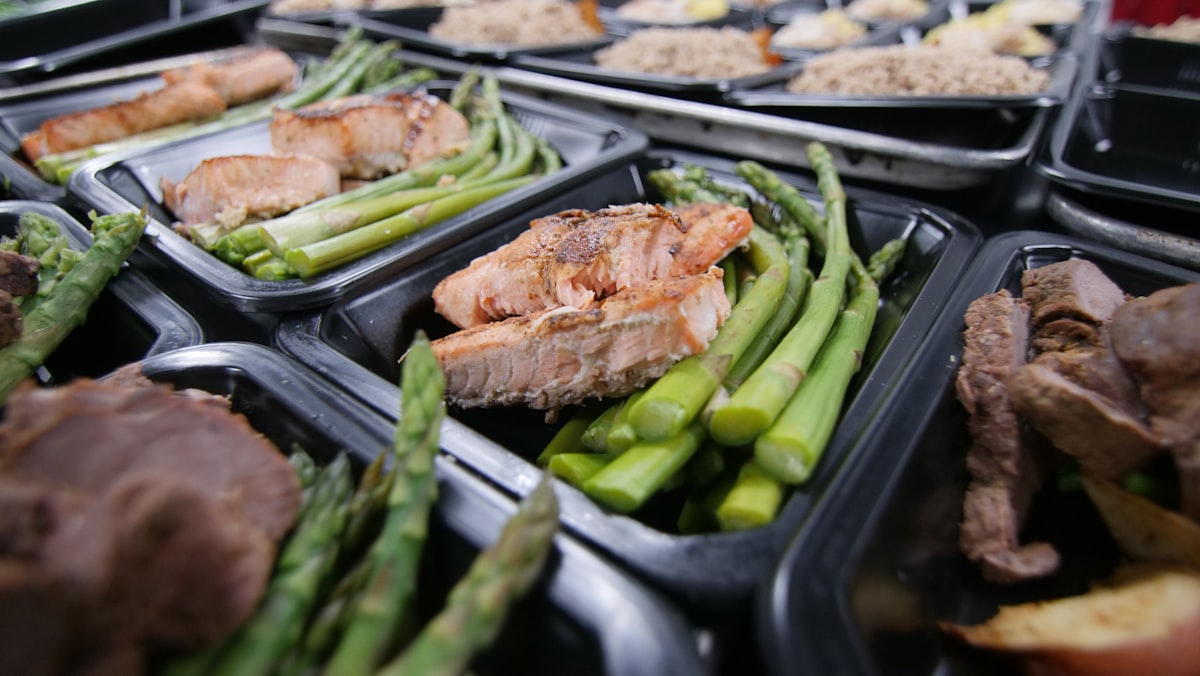
Your muscle cells are primed for nutrient uptake. Consume fast-digesting carbohydrates (white rice, honey, sports drink) and liquid protein (whey shake, Greek yogurt smoothie). This signals your body to shift from catabolic to anabolic state and begins glycogen restoration.

Early Recovery (30 Minutes - 2 Hours)
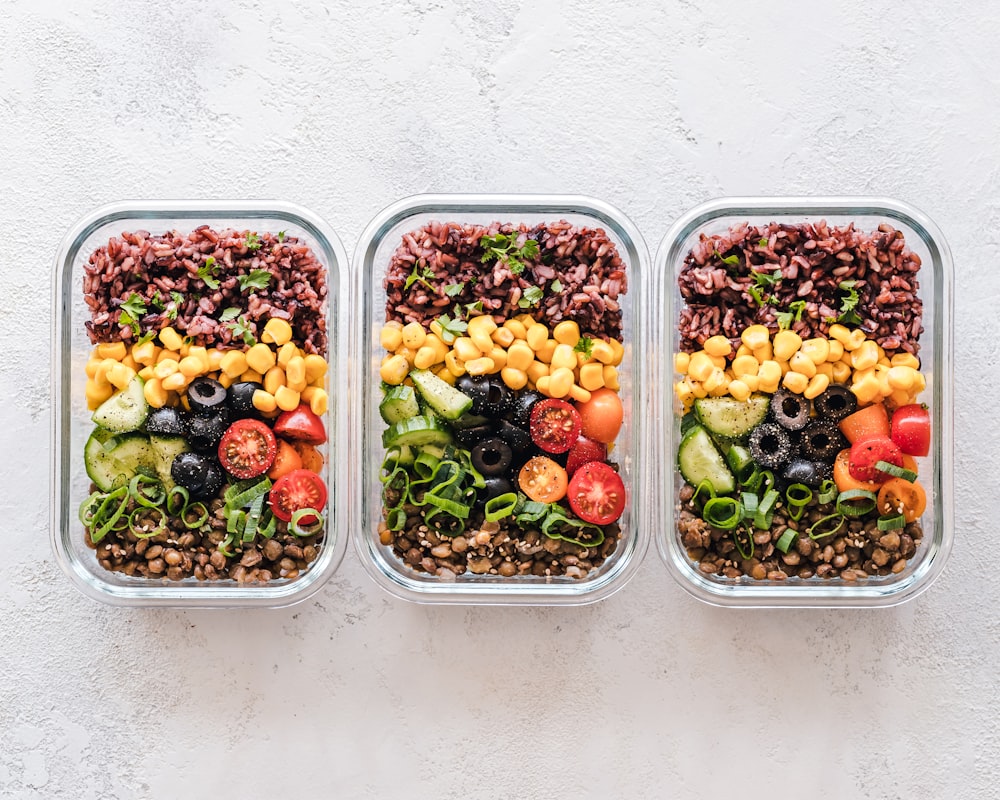
Consume your main recovery meal with whole-food carbohydrates, lean protein, healthy fats, and vegetables. Include colorful produce for antioxidants. This meal provides sustained nutrient delivery and supports continued muscle protein synthesis throughout the recovery window.
Extended Recovery (2-6 Hours)
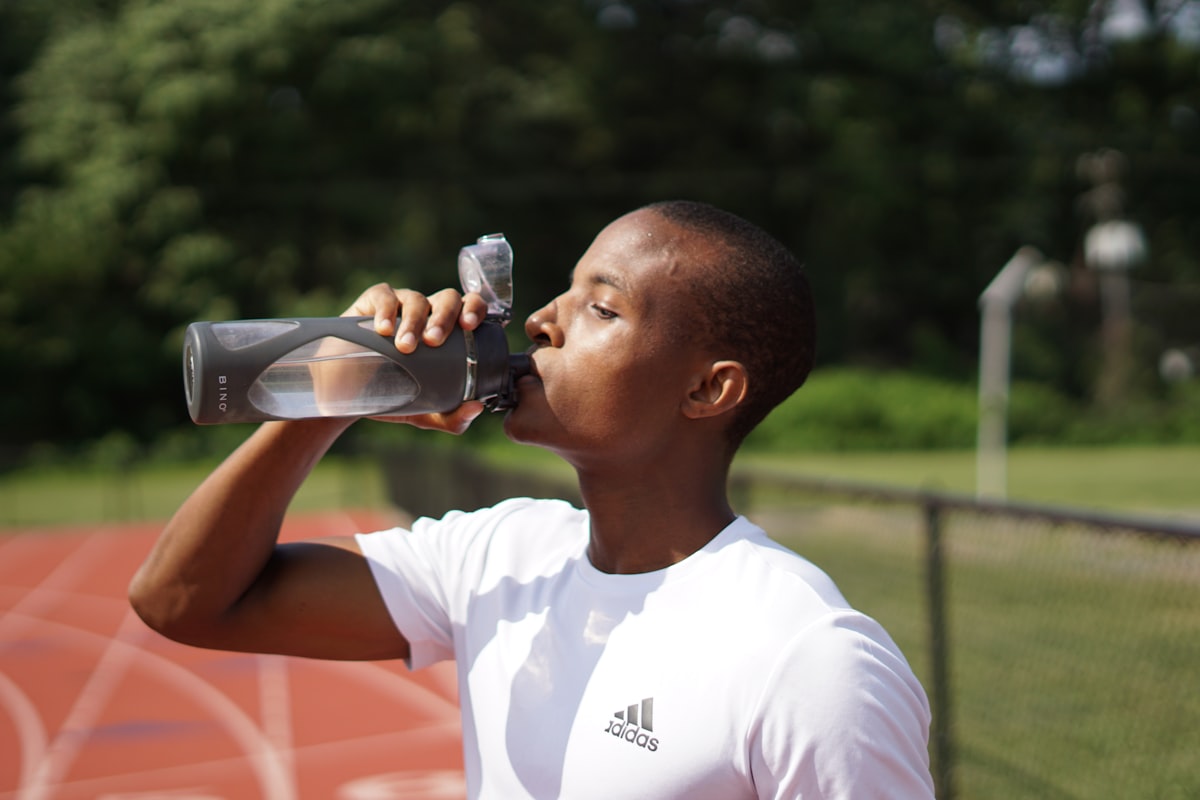
Continue hydration with water, electrolyte drinks, or coconut water. Consume additional snacks if needed—fruit with nut butter, cheese and crackers, or another small protein-carbohydrate meal. Your body continues muscle repair and glycogen repletion throughout this period.
Rest & Adaptation (6-48 Hours)
Maintain consistent daily nutrition with balanced meals every 3-4 hours. Prioritize sleep—this is when most muscle growth actually occurs. Continue proper hydration and include omega-3 foods to support ongoing inflammation management and tissue repair throughout the 24-48 hour recovery window.
Athletes Share Their Recovery Stories
"I was always wondering why my legs felt sore for three days after leg day, even though I was lifting consistently. Within two weeks of following proper post-workout nutrition guidelines, my recovery improved dramatically. Now I can train hard twice a week without the crushing soreness. The difference between eating immediately after training versus hours later is night and day."
Thabo Mkhize
CrossFit Athlete, Johannesburg
"As a marathon runner, I used to focus only on fueling during the race. Once I started implementing proper post-run nutrition—especially getting carbs and protein within 30 minutes—my training consistency improved dramatically. I'm recovering faster between long runs and my resting heart rate has dropped. It's made a real difference in my performance and how my body feels day-to-day."
Nalini Patel
Marathon Runner, Cape Town
"I'm a personal trainer and I thought I knew nutrition, but I was getting my recovery wrong. After learning about the post-exercise window and implementing proper carb-to-protein ratios, both my performance and my body composition improved. My clients also noticed when I started applying these principles to their training—they report less soreness and better energy levels for their next sessions. It's become a cornerstone of my coaching."
Marcus van der Merwe
Fitness Coach, Durban
"I was struggling with inconsistent gym progress until I realized my nutrition after training was almost non-existent. I'd hit the gym hard then go home and eat whatever was convenient hours later. Once I started taking recovery nutrition seriously—having a proper meal planned—my strength gains accelerated noticeably. My lifts went up, my physique improved, and I don't feel destroyed for days after training anymore."
Amara Okonkwo
Strength Coach, Port Elizabeth
Common Recovery Nutrition Questions
What's the difference between recovery nutrition and regular meals?
Recovery nutrition is specifically timed and formulated to take advantage of the post-exercise window when your muscles are primed for nutrient uptake. During this critical period (0-2 hours post-exercise), your body has elevated insulin sensitivity and increased blood flow to muscles, making nutrient delivery more efficient. Regular meals throughout the day support general health but miss this optimization opportunity. Recovery nutrition emphasizes fast-digesting carbohydrates and protein consumed immediately or soon after training to maximize muscle protein synthesis and glycogen replenishment.
Can I skip post-workout nutrition if I'm trying to lose weight?
No—post-workout nutrition becomes even more important during weight loss. Proper recovery nutrition preserves muscle mass while you create a calorie deficit, which is crucial because muscle loss is the enemy of sustainable fat loss. When you train hard but don't provide recovery nutrition, you force your body to break down muscle for amino acids, which slows metabolism long-term. Instead, consume a modest post-workout meal with protein and carbohydrates to support muscle retention and training quality. This prevents the metabolic slowdown that often accompanies pure calorie restriction.
Does the 30-minute window apply to all types of exercise?
The 30-minute window is most critical after intense resistance training or high-intensity interval exercise where significant muscle damage occurs. For moderate-intensity steady-state cardio, the window is somewhat less critical but still valuable. However, the most important factor is consuming recovery nutrition within 1-2 hours post-exercise—sooner is better, but even a meal 90 minutes after training still provides significant benefit. If you can't eat immediately post-workout due to schedule constraints, aim for within 1-2 hours. The exact minute matters less than ensuring you don't wait several hours before eating.
Should I consume supplements for recovery or focus on whole foods?
Whole foods should be your foundation for recovery nutrition—they provide complete nutrient profiles, micronutrients, and fiber that supplements can't fully replicate. However, supplements like whey protein shakes or sports drinks can be practical convenience tools immediately post-workout when whole food isn't available. A chocolate milk, banana with almond butter, or Greek yogurt parfait can be equally effective to a protein shake if whole foods work with your schedule. The priority is consuming appropriate nutrients within the recovery window, whether through whole foods or supplements. Most athletes benefit from using both: quick supplements immediately post-workout for convenience, followed by whole food meals within 1-2 hours.
How much should I eat for recovery if I train multiple times per day?
With multiple daily training sessions, follow the recovery protocol after each session: carbs (1-1.2g/kg body weight) and protein (0.3-0.4g/kg) within 30-60 minutes of finishing each workout. Your total daily calorie and macro intake must be sufficient to support this plus your overall training volume. This is why athletes doing 2+ sessions daily often need significantly more total daily calories than those training once. Consider splitting your daily nutrition strategically: perhaps a larger meal after your first session and a moderate recovery meal or snack after your second session, with additional meals throughout the day to reach your totals. Tracking overall daily intake becomes important to ensure you're truly supporting the elevated training demands.
What are the best recovery foods for common training types?
For strength training: lean meats, eggs, Greek yogurt, cottage cheese (protein sources) + white rice, sweet potatoes, oats (carbs). For endurance training: lean meats or fish + rice, pasta, fruit, honey to replenish glycogen more aggressively. For HIIT/CrossFit-style: eggs, whey protein shakes + bananas, white rice, bagels for rapid carb intake. For team sports: chicken, fish + potatoes, rice, bread with additional electrolytes. The core principle remains constant: quality protein + fast-digesting carbs + micronutrient-dense foods. South African athletes can leverage local foods: maize porridge with eggs, chicken with butternut squash, fish with rice, mielie meal, and fresh local fruits like mangoes and papayas are all excellent recovery options that fit these guidelines perfectly.
Discover More Recovery Strategies
Our comprehensive nutrition guides provide detailed meal plans, macro calculations, and science-backed strategies tailored to your specific training style and goals. Learn from evidence-based articles and expert insights specifically designed for athletes in South Africa.
Stay Updated with Recovery Insights
Subscribe to receive our latest articles on post-workout nutrition, training recovery optimization, and athlete health strategies delivered to your inbox.
We respect your privacy. Unsubscribe anytime.